 Call Us : 07971459401Call Us : 07971459401

 Send Inquiry
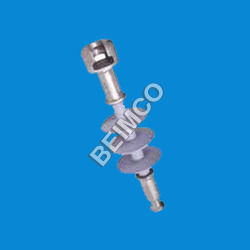
33/36 KV Silicon Polymeric Composite Disc Insulator
33/36 KV Silicon Polymeric Composite Disc Insulator Specification
- Density
- 1.10 Gram per cubic centimeter(g/cm3)
- Thermal Conductivity
- 0.17 W/mK
- Surface Treatment
- Hydrophobic Silicone Coating
- Coating Type
- Silicone Hydrophobic Coating
- Size
- 280 mm diameter
- Layer
- Single Core, Composite Layer
- Installation Guideline
- Mount on transmission arms using disc hardware, ensure correct torque during installation, avoid sharp bending
- Product Type
- Disc Insulator
- Material
- Silicon Polymeric Composite
- Rated Voltage
- 33/36 KV
- Tensile Strength
- More than 70 kN
- Width
- 280 mm
- Thickness
- 15 mm
- Application
- High Voltage Transmission Lines
- Breakdown Voltage
- Greater than 120 kV
- Heat Conductivity
- Low
- Color
- Grey
- Arcing Distance
- 350 mm
- Weight
- 3.8 kg
- Power Frequency Flashover Voltage (Dry)
- 85 kV
- Power Frequency Flashover Voltage (Wet)
- 55 kV
- Service Life
- More than 35 years
- Insulation Resistance
- Above 100 G at 1 kV DC
- Packaging
- Individual boxed or palletized
- UV Resistance
- Excellent
- Mechanical Failure Load
- 70 kN
- Creepage Distance
- 900 mm
About 33/36 KV Silicon Polymeric Composite Disc Insulator
33/36 KV silicon polymeric composite disc insulator B & S type
Advantage:
-
Light Weight
-
High Mechanical Strength
-
Easy to install
-
Vandal Proof
-
Resist Tracking resulting in lower line losses
-
Reduced leakage current
-
Excellent in salt, fog and severely contaminated environment
-
No Ultra violet, corona ozone degrading
-
High pollution flash over voltage
-
Wide range of service temperature
-
Wide range of service temperature -35 to +80°C
-
Better aesthetics
-
Excellent hydrophobicity
33/36 KV Silicon Polymeric Composite Disc Insulator B & S Type:
| Sn. No. | Product Code | System Voltage | Specified Mechanical Load in KN | Dry Arc | Cree-page Distance in mm | Dry Power frequency Voltage with stand in KV | Wet Power frequency voltage with stand in KV | Lightning Impulse with stand in KV | Visible Discharge Test |
| 1 | BI-33/36-45/B&S | 33KV | 45KN | 370+/- 5 | 860 | 137 | 111 | 248 | 27 |
| 2 | BI-33/36-70/B&S | 33KV | 70KN | 370+/- 5 | 860 | 137 | 111 | 248 | 27 |
| 3 | BI-33/36-45/B&S/H.C | 33KV | 70/90N | 375+/- 5 | 1175 | 154 | 135 | 248 | 27 |
Product type tested NABL approved govt. Lab ERDA, Vadodara & CPRI, Bangalore.
Approved by Govt. electricity department
Superior Electrical and Mechanical Reliability
This disc insulator meets stringent requirements for high-voltage transmission, featuring a breakdown voltage greater than 120 kV and a mechanical failure load exceeding 70 kN. Its silicone polymeric composite structure, combined with a hydrophobic coating, guarantees exceptional insulation even under harsh weather conditions. Robust design ensures extended operational life.
Engineered for Longevity and Performance
With more than 35 years of service life, the insulator is resistant to UV and environmental degradation. Its surface treatment and single core composite layer offer enhanced hydrophobicity, minimizing current leakage and contamination. Packaging options include individual boxes or palletized shipments for safe handling.
Efficient Installation and Application
Designed for mounting on transmission arms, the insulator requires proper disc hardware and appropriate torque during installation. Clear guidelines help avoid sharp bending, ensuring maximum mechanical and electrical performance across a range of high-voltage transmission applications.
FAQs of 33/36 KV Silicon Polymeric Composite Disc Insulator:
Q: How is the 33/36 KV Silicon Polymeric Composite Disc Insulator installed?
A: The insulator should be mounted on transmission arms using disc hardware, ensuring the recommended torque is applied. Care should be taken to avoid sharp bending of the unit, following the installation guidelines provided by the manufacturer for optimal mechanical and electrical performance.Q: What benefits does the hydrophobic silicone coating offer?
A: The silicone hydrophobic coating enhances the insulators ability to repel water and contaminants, significantly reducing the risk of leakage currents, flashover, and pollution-induced failures. This treatment maintains consistent performance in challenging environments.Q: When should this composite disc insulator be used?
A: This insulator is ideal for use in high-voltage transmission lines operating at 33/36 KV, especially where extended service life, UV resistance, and high mechanical strength are required. It is well suited for regions with strong environmental stresses and unpredictable weather.Q: Where can the disc insulator be applied?
A: The insulator is typically installed on high-voltage transmission network structures such as towers and arms, providing reliable performance in outdoor electrical infrastructure spanning urban, industrial, and remote locations.Q: What is the process for ensuring optimal insulation resistance?
A: Optimal insulation resistance (above 100 G at 1 kV DC) is achieved through meticulous manufacturing using high-purity silicon polymeric composite material and advanced hydrophobic surface treatment, backed by stringent quality control and regular maintenance after installation.Q: Can you describe the key usage benefits of this insulator?
A: The product offers long-term electrical insulation, high mechanical strength, lightweight for easier handling, low thermal conductivity, and resistance to UV, heat, and contamination. These qualities minimize system downtime and maintenance, ensuring operational reliability over decades.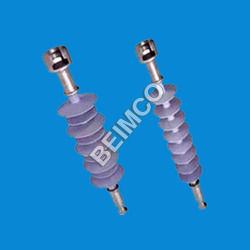
Tell us about your requirement

Price:
Quantity
Select Unit
- 50
- 100
- 200
- 250
- 500
- 1000+
Additional detail
Mobile number
Email

More Products in Silicon Polymeric Composite Insulators Category
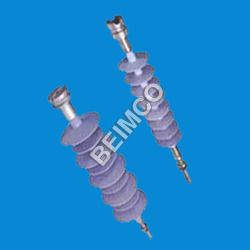
33/36 KV Silicon Polymeric Composite Disc Insulator
Breakdown Voltage : > 120 kV
Tensile Strength : > 8 kN
Product Type : Disc Insulator
Color : Grey
Installation Guideline : Suitable for standard line hardware; maintain proper torque settings during installation
Heat Conductivity : 0.170.20 W/mK
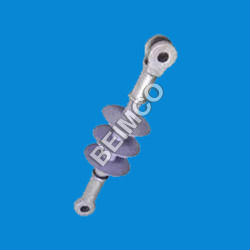
Silicon Polymeric Composite Insulators
Breakdown Voltage : >25kV/mm
Tensile Strength : >100 MPa
Product Type : Insulator
Color : Grey
Installation Guideline : Mount vertically on transmission poles using standard clamps
Heat Conductivity : Low

Address
BEIMCO FRP PRODUCTS
Nadiad, Gujarat, India
Nadiad, Gujarat, India
- N.H. No. 8, B/h National Casin Co., Gujarat-Piplag Highway, Piplag,Nadiad - 387002, Gujarat, India
- Phone :07971459401
- Send Inquiry
 Send Inquiry
 Send Inquiry
 Send SMS
 |
BEIMCO FRP PRODUCTS
All Rights Reserved.(Terms of Use) Developed and Managed by Infocom Network Private Limited. |
